En resumen
- Reúne los libros de texto y los apuntes en un solo sitio, y prepara tus carpetas y plantillas antes de la semana del programa de estudios.
- Decide cómo vas a tomar apuntes de las clases —a mano, con una grabación de audio o con resúmenes generados por IA— antes de que empiece la clase.
- Guarda un par de reglas de color y encabezados como predeterminadas, y deja que la IA se encargue de los resúmenes y los conjuntos de estudio.
Las vacaciones de verano son tranquilas. La semana de presentación de programas de estudios, en cambio, no lo es. Y el ritmo al que te acostumbras durante la primera o las dos primeras semanas del semestre de otoño suele mantenerse hasta los exámenes finales.
Es tentador pensar que ya te las apañarás cuando empiecen las clases. Pero prepararte un poco en julio o agosto, mientras todo está tranquilo, marca una gran diferencia en cómo te sientes realmente durante la semana de la mudanza. Aquí tienes cinco formas de prepararte antes de que empiece el semestre, para que puedas entrar en tu primera clase con todo organizado en lugar de a toda prisa.
1. Reúne tus apuntes y libros de texto en un solo sitio
.png)
Nuevo semestre, la misma historia de siempre: una mochila llena de libros de texto, apuntes y cuadernos a medio usar, y un paseo por el campus que cada día se hace más pesado.
Pásalo todo a Goodnotes tu mochila (y tu cabeza) se aligerarán. Importa los libros de texto y los materiales del curso, cambia de clase en segundos y deja de preguntarte si te has dejado algún cuaderno en la residencia. Cuando la respuesta a «¿qué necesito para la clase de hoy?» está a un solo toque, puedes dedicar esa energía mental a la propia clase. Esa es una de las principales razones por las que los estudiantes dicen que Goodnotes ayudado a que la universidad les resulte más llevadera.
2. Prepara tus plantillas antes de que las necesites
Si empiezas a organizar tu sistema de apuntes cuando el semestre ya está en marcha, los formatos acaban siendo diferentes en cada clase, y luego resulta difícil estudiar con apuntes tan desordenados.
Antes de que llegue la semana de presentación de los programas de estudios, dedica veinte minutos a Goodnotes poner en orden las cosas aburridas:
- Crea cuadernos y carpetas para cada clase
- Prepara plantillas para trabajos y tareas escritas
- Elige un formato para cada cosa: apuntes de clase, seguimiento de tareas, repaso de exámenes, lluvia de ideas
Una vez que ya tienes la estructura de la página, abrir una página en blanco deja de ser una decisión. Simplemente es el lugar donde escribes. Si prefieres no empezar desde cero, las plantillas de notas Cornell son una buena opción por defecto para las clases con muchas clases magistrales. Y cuando ya sabes dónde va cada cosa, puedes centrarte en entender la lección en lugar de perder el tiempo con el formato.
3. Decide cómo vas a tomar apuntes en clase antes de sentarte en ella
A continuación, piensa cómo quieres tomar apuntes de verdad; no durante la clase, sino antes.
Adaptarse a la universidad ya es bastante difícil de por sí: un nuevo ritmo, un nuevo profe, una nueva asignatura, quizá un aula con 300 personas. Si a eso le sumas el «¿cómo coño voy a apuntar esto?», tu atención se divide en dos direcciones a la vez.
Así que pregúntate ahora:
- ¿Quieres escribir a mano las diapositivas y los apuntes de clase?
- ¿Funcionaría mejor grabar la clase y volver a verla más tarde?
- ¿Quieres que la IA te resuma los puntos clave después de clase?
No hay una única respuesta correcta, cada uno estudia a su manera. Lo importante es decidirlo con antelación. Goodnotes las tres opciones: tomar apuntes a mano, grabar en audio las clases en las que prefieres no hacer garabatos y resúmenes generados por IA, así que, sea cual sea la forma en la que mejor aprendas, estará listo cuando tú lo estés.
4. Establece unas cuantas reglas sencillas sobre cómo escribir
Unas cuantas reglas sencillas de formato pueden hacer que te resulte mucho más fácil volver a consultar tus notas más adelante. No tiene por qué ser complicado:
- Pon los títulos en negrita o asigna un color a cada uno
- Elige un color para todo lo que de verdad importe
Eso es todo. Cuando llegan los exámenes finales, o la noche antes de entregar un trabajo, poder identificar lo importante en cuestión de segundos marca la diferencia entre un repaso rápido y una búsqueda frustrante.
En Goodnotes, elige tus rotuladores y colores y guárdalos como predeterminados. Decídete una vez y úsalos todo el semestre.
5. Deja que la IA se encargue de parte del trabajo
El comienzo de un semestre te abruma con un montón de cosas a la vez, e intentar organizarlo todo a la perfección por tu cuenta es la forma más rápida de agotarte antes incluso de que empiece el trabajo de verdad.
En lugar de eso, deja que Goodnotes te eche una mano:
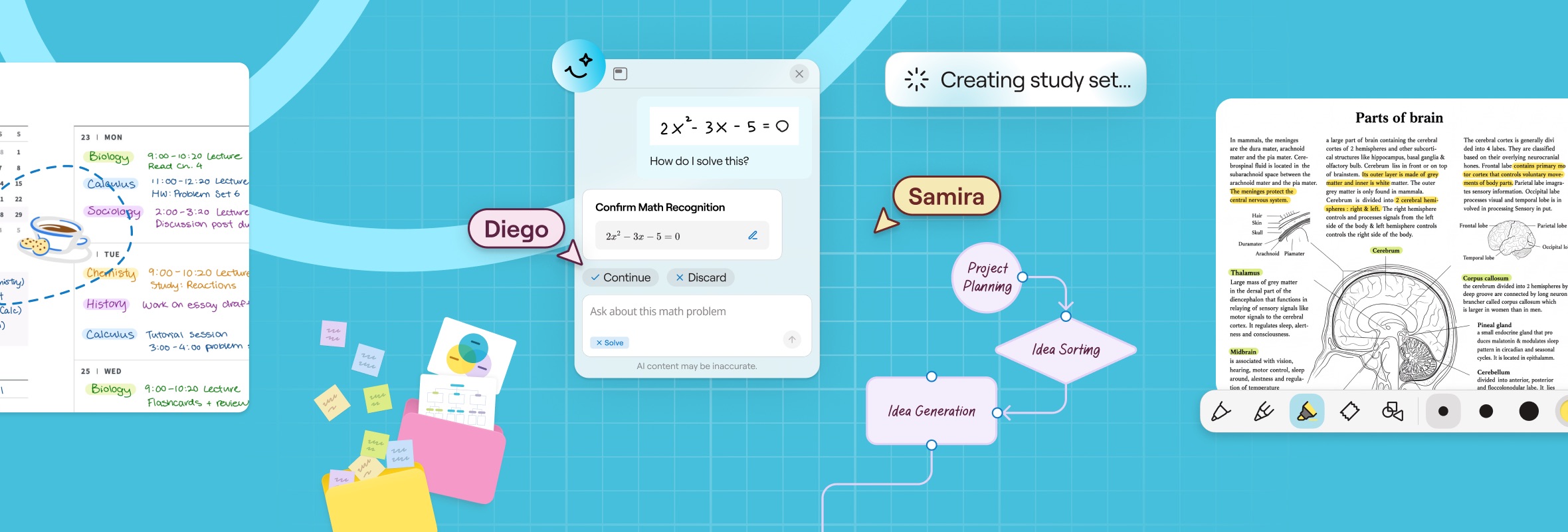
- Resume tus apuntes y destaca lo que realmente importa
- Encuentra eso que anotaste hace semanas con una búsqueda rápida por palabra clave
- Convierte los temas que aparecen en todos los exámenes en conjuntos de estudio con los que puedas ponerte a prueba
Usar las herramientas que tienes a tu disposición no es ir a lo fácil, sino lo que hace que un hábito de estudio se mantenga más allá de la tercera semana. El objetivo no es hacerlo todo tú solo, sino entender más cosas con menos esfuerzo.
Prepararse es lo más fácil
Nada de esto te lleva mucho tiempo. Pero esa hora o dos que dediques antes del día de la mudanza pueden ahorrarte semanas de estrés leve una vez que el semestre de otoño esté ya en marcha.
Cada uno de estos pasos es algo que puedes empezar a hacer hoy mismo, aunque aún falten unas semanas para que empiecen las clases. Elige lo que mejor se adapte a tu forma de trabajar, ponlo en marcha este verano y llega al campus un poco más preparado que el año pasado.
Goodnotes disponible para Apple, Android y Windows. Prueba Goodnotes y ten todo listo antes de que empiece el semestre.